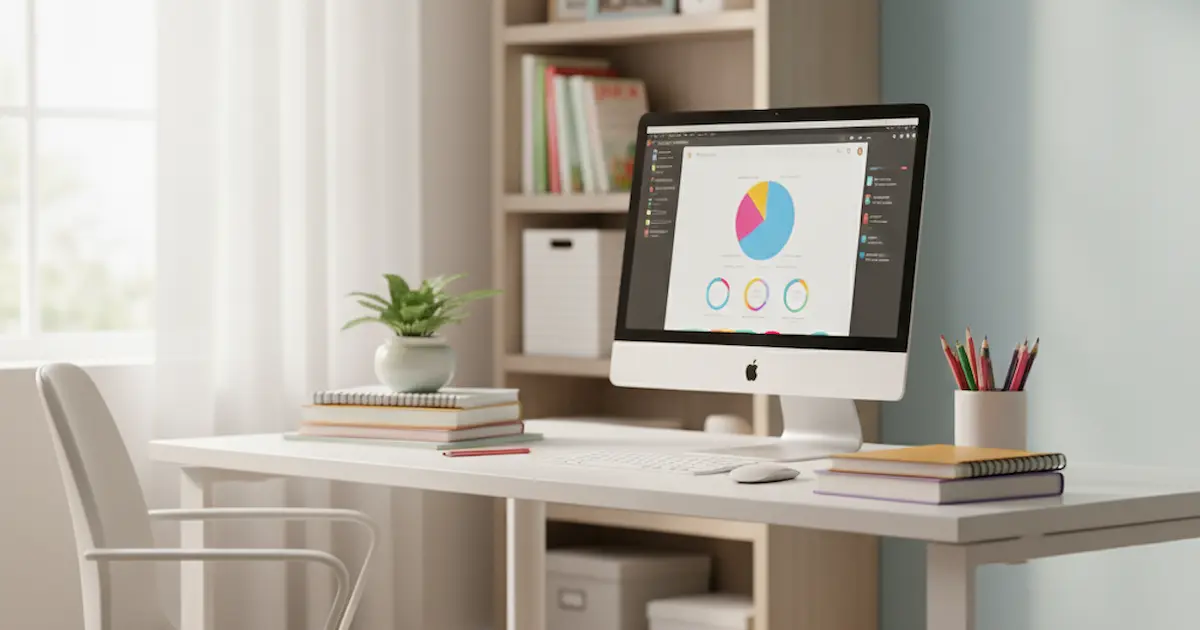
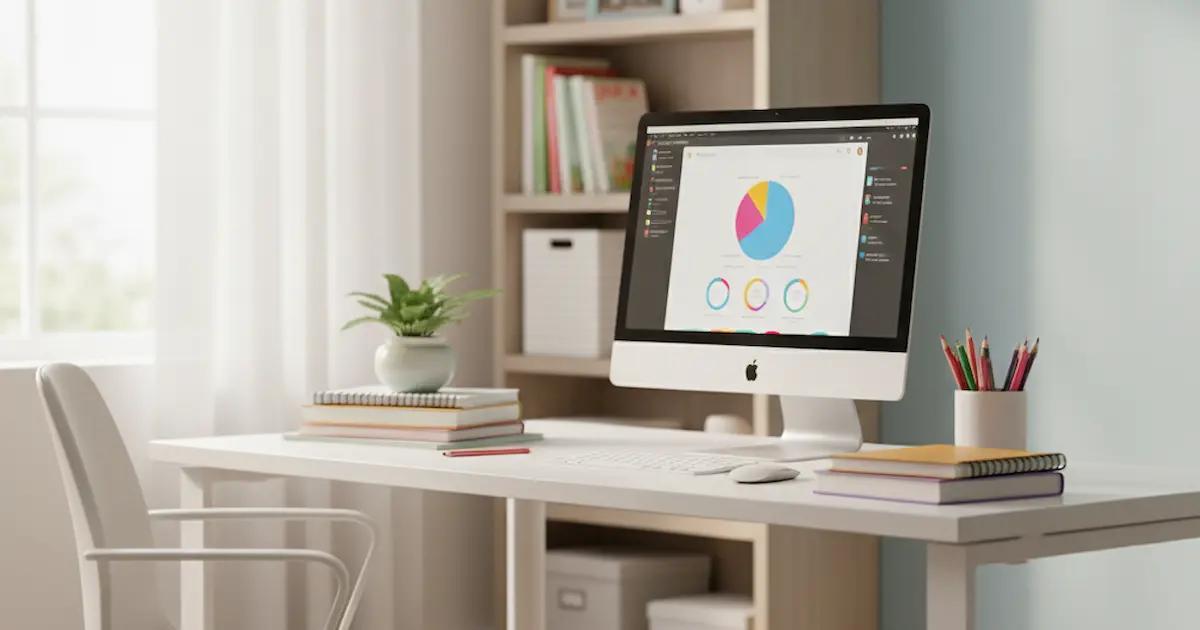
Picture this: your child sits down to study, fully intending to focus, but within minutes they're fidgeting, staring out the window, or suddenly desperately needing a snack. Sound familiar? Before you label this as lack of motivation or dedication, consider this: the environment might be the culprit, not your child. Creating the right study space isn't about expensive furniture or converting your home into a library – it's about understanding how surroundings impact young minds and making thoughtful adjustments that set your child up for success.
The Science of Study Spaces (Made Simple)
Our brains are constantly processing environmental information, even when we're trying to focus on something else. For children, whose attention regulation is still developing, environmental factors have an even bigger impact. The good news? Small changes can yield remarkable results.
Research shows that children's concentration can improve by up to 40% in an optimized environment. That's not about creating a sterile, boring space – it's about being intentional with the elements that matter. Think of it as removing obstacles to concentration rather than forcing focus.
Finding the Right Spot: It's Not Always Where You Think
The dining room table might seem ideal – it's central, you can supervise, and it's away from toys. But for many children, this high-traffic area becomes distraction central. Let's explore what actually works:
The Bedroom Debate
Conventional wisdom says bedrooms are for sleeping, not studying. But some children find comfort and focus in their personal space. The key is separation – if possible, create distinct zones:
- Position the desk so it doesn't face the bed
- Use a room divider or bookshelf to create a 'study corner'
- Have a special desk lamp that signals 'study time'
- Keep leisure items (games, toys) out of sight during study sessions
If your child studies best in their bedroom, honor that – with boundaries.
The Kitchen Table Reality
For many families, the kitchen table is the only option. That's perfectly fine! Make it work by:
- Clearing everything except study materials before starting
- Using a table mat to define the 'study space'
- Having a portable supply box that appears for study time
- Timing sessions to avoid meal preparation periods
- Using noise-canceling headphones if the space gets busy
Creating a Pop-Up Study Space
No dedicated room? No problem. A pop-up study space can be just as effective:
- Use a folding desk or lap desk that can be set up anywhere
- Create a 'study box' with all necessary supplies
- Designate a specific spot that becomes the study area when set up
- Make the setup and pack-away part of the routine
- Let your child help choose where today's study spot will be
Lighting: The Invisible Performance Enhancer
Poor lighting doesn't just strain eyes – it signals the brain that it's time to wind down. Here's how to get it right:
Natural Light: The Gold Standard
Whenever possible, position the study space near a window, but:
- Avoid direct sunlight on the work surface (causes glare)
- Face perpendicular to the window, not directly toward or away
- Use sheer curtains to diffuse harsh light
- Be aware that late afternoon sun might be too warm and sleep-inducing
Artificial Lighting That Works
For evening study or darker days:
- Use cool white bulbs (4000-5000K) for alertness
- Combine overhead lighting with a desk lamp
- Position the desk lamp to the opposite side of the writing hand to avoid shadows
- Ensure the whole room is lit, not just the desk (contrast causes eye strain)
- Consider a daylight therapy lamp for winter months
The Distraction Audit: What's Really Stealing Focus?
Take a moment to sit in your child's study space. What do you notice? Be honest about these common culprits:
Visual Distractions
- Clutter: Even organized clutter pulls attention. Keep surfaces clear except for current materials
- Posters and decorations: Motivational quotes are great, but too many become visual noise
- Windows with activity: A view of the garden where siblings are playing? That's torture for a studying child
- Screens: Any visible screen (TV, tablet, phone) is a focus magnet, even when off
- Mirrors: Surprisingly distracting for many children who end up watching themselves
Auditory Distractions
- TV from another room: Even muffled, it pulls attention
- Sibling noise: Normal family life, but highly distracting
- Kitchen sounds: Dishwashers, washing machines, food preparation
- Street noise: Traffic, neighbors, dogs barking
- Notification sounds: From any device in earshot
The Solutions That Actually Work
For visual distractions:
- Use a three-sided cardboard 'focus shield' on the desk
- Face the desk toward a plain wall when possible
- Store supplies in opaque containers, not clear ones
- Create a 'parking lot' for items that need to be dealt with later
- Use a timer that isn't on a phone or device
For auditory distractions:
- White noise machines or apps (rain sounds work well)
- Instrumental study music (no lyrics!)
- Noise-canceling headphones for older children
- Soft foam earplugs for children who prefer silence
- Agreement with family about 'quiet time' during study sessions
Organization Systems That Children Will Actually Use
The most beautiful organization system is useless if your child won't maintain it. Here's what works in real life:
The Supply Station
Everything they need within arm's reach:
- Pencils (more than one – they break!)
- Eraser (a good one that doesn't smudge)
- Ruler (clear plastic is most versatile)
- Rough paper for working out
- Timer (not on a phone)
- Water bottle (hydration helps concentration)
- Healthy snacks (prepared beforehand)
- Tissues (no getting up for every sniffle)
Store these in a portable caddy or desktop organizer that's exclusively for study time.
The Paper System
Papers everywhere equals stress for everyone. Try this:
- To-Do folder: Today's work goes here
- In-Progress folder: Partially completed work lives here
- Review folder: Completed work that needs checking
- Done folder: Finished and checked work (empty weekly)
Use different colored folders and label them clearly. Let your child decorate them if it helps with buy-in.
The Visual Schedule
Children respond well to visual cues:
- Weekly planner showing study sessions
- Daily checklist they can tick off
- Visual timer showing time remaining
- Progress chart for motivation
- Break reminder cards
Temperature and Comfort: The Goldilocks Zone
Too hot and the brain gets sluggish. Too cold and energy goes to staying warm instead of thinking. The ideal study temperature is between 20-22°C (68-72°F). But comfort goes beyond temperature:
Seating Matters More Than You Think
- Feet should touch the floor (use a footrest if needed)
- Desk height should allow forearms to rest comfortably
- Back support is crucial (use a cushion if needed)
- The chair shouldn't be too comfortable (no sinking sofas!)
- Allow position changes – some children focus better standing
The Fidget Factor
Some children need to move to think. Instead of fighting it:
- Provide a stress ball or fidget cube
- Use a wobble cushion on the chair
- Allow standing or walking while reviewing
- Try a balance ball instead of a chair (for some children)
- Build in movement breaks every 20 minutes
Creating Boundaries in Shared Spaces
Not everyone has the luxury of a dedicated study room. Here's how to create boundaries in shared spaces:
The Visual Boundary
- Use a folding screen or curtain to create a temporary 'room'
- Tape on the floor to mark the 'study zone'
- A special tablecloth that signals study time
- A 'Do Not Disturb' sign that siblings must respect
The Time Boundary
- Specific hours when the space becomes a study zone
- Family agreement about noise levels during these times
- Younger siblings have special quiet activities during study time
- Parents model respect for the study space
Technology: Friend or Foe?
Let's be realistic about technology in the study environment:
When Technology Helps
- Educational apps for specific practice
- Timer apps with gentle alerts
- White noise or focus music apps
- Digital flashcards for review
- Online resources when needed
When Technology Hinders
- Notifications from any app
- Easy access to games or social media
- Multiple tabs open 'just in case'
- YouTube 'educational' videos that lead to rabbit holes
- Using devices for breaks (makes it harder to refocus)
The Middle Ground
- Use airplane mode when devices are needed
- Apps like Forest or Be Focused for productivity
- Parental controls that limit access during study time
- Printed resources when possible to avoid screen temptation
- Device parking station outside the study space
Personalizing Without Overwhelming
Your child needs to feel ownership of their space, but too much personalization becomes distraction:
Motivational Elements That Work
- One or two meaningful quotes or images
- A vision board for after the 11+ (the reward!)
- Achievement certificates displayed proudly
- A plant (studies show they improve concentration)
- Photos of family or pets (in moderation)
Avoid These Tempting Additions
- Collections or displays of hobbies
- Too many colors or patterns
- Clocks that tick loudly
- Anything that moves or makes noise
- Items that trigger daydreaming
The Routine That Makes the Space Work
The best study environment is useless without the right routine:
The Pre-Study Ritual
- Clear the space completely
- Gather all needed materials
- Fill water bottle, prepare snack
- Visit the bathroom
- Take three deep breaths
- State the session's goal out loud
The Post-Study Reset
- File completed work appropriately
- Note tomorrow's starting point
- Clean and organize supplies
- Reset the space to neutral
- Celebrate what was accomplished
Troubleshooting Common Problems
"My child says they work better with music/TV on"
Some children genuinely do, but test it: Do a week with and a week without, comparing the quality and quantity of work completed. If music helps, stick to instrumental or nature sounds.
"We don't have any quiet space"
Consider alternative locations: library after school, early morning before household wakes up, quiet corner of a coffee shop for older children. Sometimes the solution is timing, not location.
"Siblings won't respect the study space"
Make it a game: siblings are 'secret agents' who must be silent during study time. Reward their cooperation. Give them their own 'important work' to do simultaneously.
"My child gets distracted no matter what"
Short bursts might work better than long sessions. Try the Pomodoro Technique: 15 minutes focused work, 5-minute break. Gradually increase the work periods as focus improves.
The Investment That Pays Dividends
Creating an effective study environment doesn't require a huge budget:
Free or Low-Cost Improvements
- Rearranging furniture for better positioning
- Using cardboard to create dividers or shields
- Downloading free white noise apps
- Making DIY organization from boxes and containers
- Using natural light more effectively
Worth the Small Investment
- A good desk lamp (£20-40)
- Comfortable cushion for back support (£15-25)
- Basic noise-canceling headphones (£30-50)
- Desktop organizer (£10-20)
- Comfortable, adjustable chair (if possible)
Remember: Progress Over Perfection
Your study environment doesn't need to be perfect from day one. Start with one or two changes and observe the impact. Ask your child what helps them focus – they often have insights we miss. Be willing to experiment and adjust.
The goal isn't to create a sterile, joyless space but rather an environment that removes obstacles to learning. When children don't have to fight their surroundings to concentrate, they have more energy for actual learning.
The perfect study environment is the one that works for your child, in your home, with your family's rhythm. It's not about comparing to others or achieving an Instagram-worthy space. It's about creating a consistent, comfortable place where your child's brain can do its best work. Every small improvement you make sends a message to your child: your education matters, your comfort matters, and we're in this together.
Struggling with exam stress? → Managing Your Own Anxiety
New to the 11+? → What the 11+ Entrance Exam Really Is
Browse our study tips and techniques for more practical preparation advice.